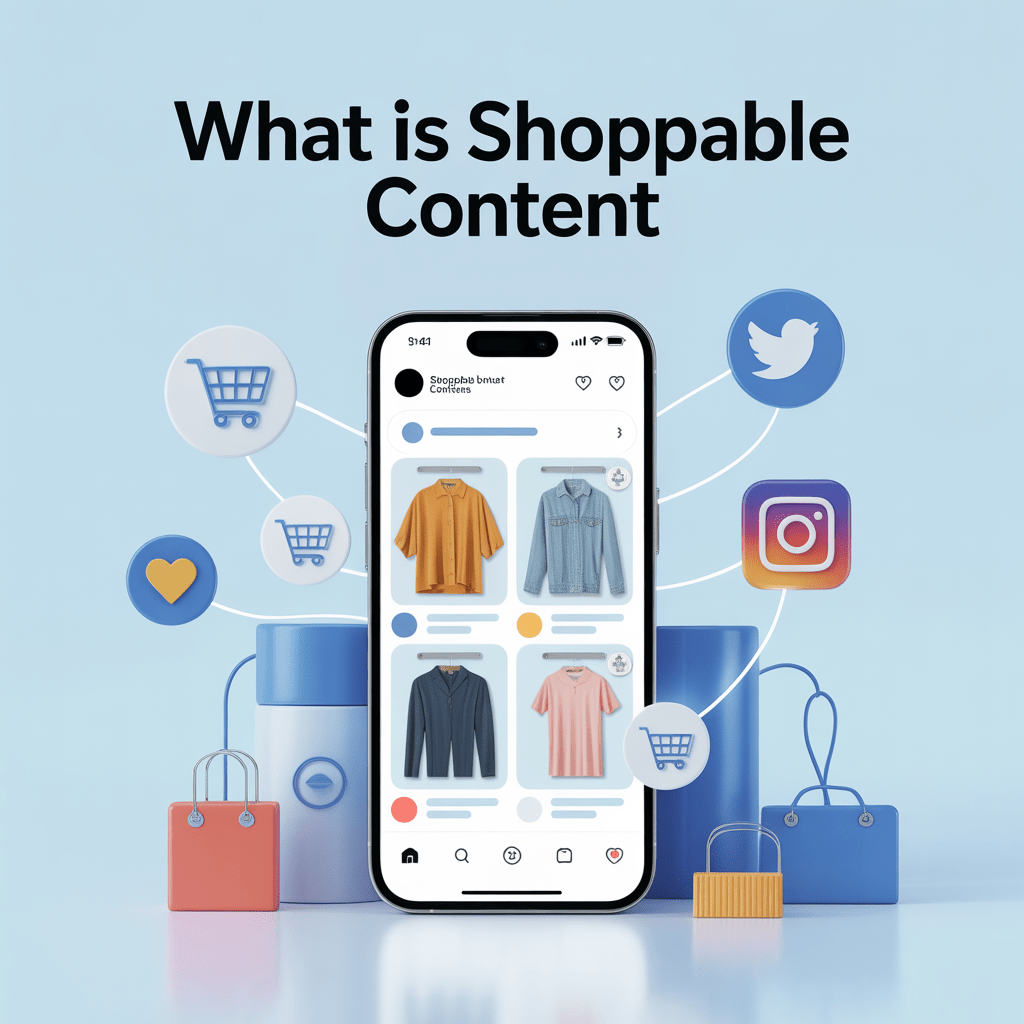
In today’s digital landscape, shopping has evolved dramatically. Consumers no longer have to rely solely on traditional websites or physical stores for their shopping needs. Now, with shoppable content, the shopping experience is directly embedded into the content users are already engaging with. One notable example is shoppable UGC (User-Generated Content), where consumers can make purchases directly from the images, videos, or reviews created by other users. In this post, we’ll explore how this approach works and why it’s crucial for ecommerce success.
What is Shoppable Content?
Shoppable content refers to content that includes product purchasing options within the content itself—whether it’s shoppable social media posts, images, videos, or articles. It allows users to shop directly from the content they are already consuming, creating a seamless shopping experience.
For example, a fashion brand might share an image of a new collection on Instagram with clickable product tags that lead directly to product pages. Consumers can then buy the items they like without leaving the platform. This makes shopping faster and more integrated into the content they are enjoying.
In essence, this type of content transforms passive media into an interactive shopping experience, enabling consumers to discover and purchase products instantly.
Why is Shoppable Content Important for Ecommerce Brands?
With the rise of digital platforms and social media, shoppable content has become more vital than ever. Here’s why ecommerce brands should focus on using it:
- Consumer Expectations: Today’s shoppers expect convenience. They don’t want to switch pages to make a purchase. Shoppable content meets this demand by providing a seamless, in-content shopping experience.
- Increased Engagement: Integrating shopping features into your content leads to higher engagement. Consumers are more likely to interact with content that allows them to take immediate action, increasing the chances of a purchase.
- Boosts Brand Visibility: Embedding your products directly within social media posts, blogs, and videos expands your reach. Social platforms like Instagram and Facebook make it easy for users to discover and purchase products through engaging, shareable content.
- Reduction in Friction: Traditional ecommerce requires customers to navigate multiple pages before purchasing. Shoppable content simplifies the process by allowing users to buy products directly from the content they are viewing.
The Benefits of Shoppable Content for Ecommerce
This integrated shopping experience offers significant benefits for both ecommerce brands and consumers.
Benefits for Ecommerce Brands:
- Higher Conversion Rates: Shoppable content allows consumers to go from discovering a product to making a purchase without navigating away from the content. This streamlines the buying process, leading to higher conversion rates.
- Improved Engagement: Consumers are more likely to interact with shoppable content that offers direct purchasing options, reducing bounce rates and increasing customer engagement.
- Valuable Analytics: By integrating shopping features into your content, you can track user behavior. This valuable data helps you refine your content strategy and optimize for higher sales.
Benefits for Consumers:
- Convenient Shopping Experience: Consumers can shop directly from the content they’re already engaging with, whether it’s an Instagram post, YouTube video, or blog. This frictionless experience increases satisfaction and the likelihood of making a purchase.
- Instant Discovery and Purchase: Shoppable content enables consumers to discover products and immediately purchase them without leaving the platform.
- Instant Gratification: Shoppable content satisfies consumers’ desire for instant gratification. When they see a product they like, they can purchase it immediately, encouraging impulse buying.
Types of Shoppable Content You Should Know
There are several types of shoppable content that you can integrate into your ecommerce strategy. Below are the most effective types:
- Shoppable Images: Brands can tag products in their images, allowing users to click and purchase directly from the photo. Instagram and Pinterest are prime platforms for this type of content.
- Shoppable Videos: Videos, especially on platforms like YouTube and Instagram, can have embedded links for viewers to purchase directly from the shoppable video content.
- Shoppable Social Media Posts: Platforms like Instagram and Facebook allow businesses to tag products in their posts and stories, creating a seamless path for consumers to shop directly from social media.
- Shoppable Blogs and Articles: Some brands integrate shoppable content within blog posts or articles, allowing readers to click on links and make a purchase without leaving the site.
- Influencer Shoppable Content: Influencers can use shoppable content to promote products, providing their followers with direct shopping links within the content they create.
How Shoppable Content Increases Sales and Revenue
When executed correctly, shoppable content can significantly boost sales and revenue. Here’s how:
- Encourages Impulsive Purchases: Shoppable content allows consumers to act on impulse by making it easy for them to purchase products they come across in content.
- Higher Conversion Rates: By offering an easy, direct path from product discovery to purchase, shoppable content reduces cart abandonment and improves conversion rates.
- Lower Cart Abandonment: Because shoppable content minimizes steps in the purchase process, consumers are less likely to abandon their cart, leading to more completed sales.
How to Create Shoppable Content For Your Ecommerce Brand
Creating compelling shoppable content involves a few key steps:
- Use High-Quality Visuals: Whether it’s an image or video, the better the content looks, the more likely users will engage with it and make a purchase.
- Keep It Simple: Shoppable content should be intuitive and easy to navigate. Make sure that your product tags or clickable links are clearly visible.
- Optimize for Mobile: A large percentage of ecommerce sales come from mobile devices. Make sure your shoppable content is optimized for mobile viewing.
- Integrate with Ecommerce Platforms: Platforms like Shopify, WooCommerce, and BigCommerce make it easy to integrate shopping features into your site. Social platforms like Instagram and Facebook also offer built-in features to help create shoppable content.
Best Platforms for Shoppable Content
Some of the best platforms for creating shoppable content include:
- Instagram & Facebook: These social media giants allow businesses to tag products in posts, stories, and ads, making them ideal for creating interactive shopping experiences.
- Pinterest: Pinterest’s buyable pins allow users to purchase products directly from their feed, making it a great visual platform for shoppable content.
- YouTube: YouTube’s shoppable videos allow viewers to click on products featured in videos and purchase directly.
- TikTok: TikTok is quickly becoming a hub for shoppable content, with videos that feature clickable links to products for instant purchases.
The Future of Shoppable Content
Looking ahead, the future of shoppable content will likely include more advanced technologies, like augmented reality (AR) and artificial intelligence (AI), to create even more interactive and personalized shopping experiences.
Conclusion
Shoppable content is no longer a trend—it’s a must-have for ecommerce brands looking to stay competitive. By allowing consumers to shop directly from content, brands can streamline the buying process, increase conversions, and engage their audience in meaningful ways. Now that you know what is shoppable content, it’s time to explore how you can implement it into your ecommerce strategy.
 Social Feeds
Leave a comment