
LinkedIn, the premier professional networking platform, continues to evolve its algorithm in 2026 to enhance user experience and engagement. Understanding how the LinkedIn algorithm operates is crucial for individuals and businesses aiming to maximize their reach and impact on the platform.
The LinkedIn algorithm plays a vital role in curating the LinkedIn feed, where users spend most of their time. This algorithm is designed to show the most relevant and engaging content, tailoring the feed to highlight pertinent posts, updates, and articles.
By leveraging the LinkedIn algorithm, the platform ensures that users stay informed and connected with their professional network, enhancing the overall user experience.
The Core Principles of the LinkedIn Algorithm
The LinkedIn algorithm functions based on several key principles designed to prioritize relevant content and interactions:
1. Relevance:
LinkedIn prioritizes content relevant to users’ professional interests and connections. This ensures that users see posts that are likely meaningful and valuable to them.
2. Engagement:
High engagement metrics, such as likes, comments, and shares, play a significant role in determining post visibility. The algorithm identifies content that sparks conversations and encourages user interactions.
3. Personalization:
LinkedIn tailors the content shown to users based on their past behavior, interests, and connections. Personalization helps in delivering a more customized feed that aligns with individual preferences.
Factors Influencing the LinkedIn Algorithm in 2026
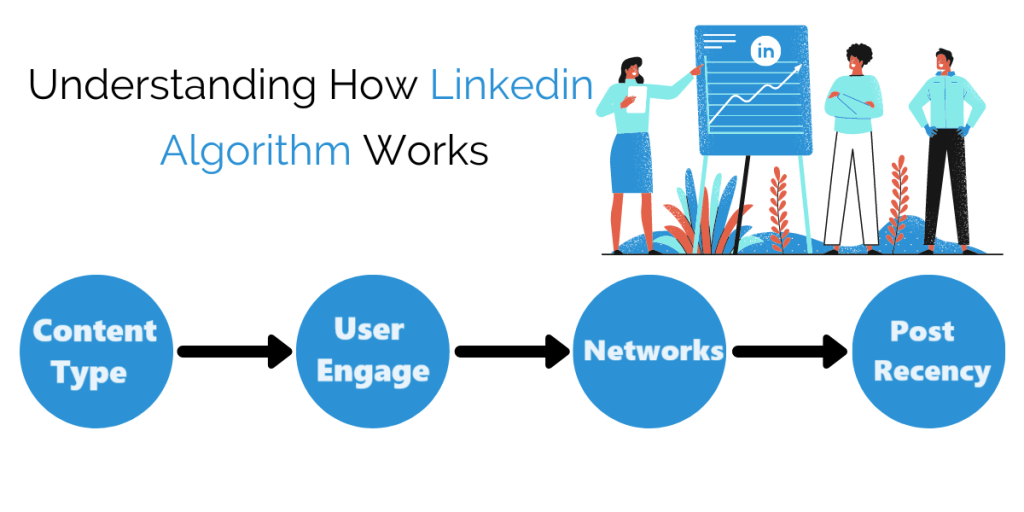
Several factors influence how the LinkedIn algorithm ranks and displays content in users’ feeds:
1. Content-Type:
Different types of content, including text posts, images, videos, and articles, may receive varying levels of visibility based on user engagement patterns and platform priorities.
2. User Engagement:
The algorithm prioritizes content that receives high engagement rates early after being posted. This includes likes, comments, shares, and even saves, indicating content relevance and interest.
3. Connections and Networks:
Content from users’ immediate connections and those within their extended network (2nd and 3rd-degree connections) tends to receive higher visibility due to perceived relevance.
4. Post Recency:
Recent posts generally receive more visibility than older ones, reflecting LinkedIn’s emphasis on current and timely content.
Strategies to Optimize Content for the LinkedIn Algorithm:
To enhance visibility and engagement on LinkedIn in 2026, consider the following strategies:
1. Create Engaging Content:
Craft content that resonates with your professional network sparks discussions and encourages meaningful interactions.
2. Utilize Multimedia:
Experiment with various content formats such as videos, infographics, and slideshows to diversify your content strategy and appeal to different audience preferences.
3. Encourage Interaction:
Prompt users to engage with your posts by asking thoughtful questions, calling to action, or tagging relevant individuals or companies.
4. Stay Consistent:
Regularly posting relevant and valuable content helps maintain visibility and engagement among your connections.
5. Monitor Analytics:
Use LinkedIn analytics tools to track the performance of your posts and identify trends or patterns that can inform your content strategy.
Enhancing Online Presence with LinkedIn Feed Integration:
Integrating LinkedIn content into your online presence can be a powerful way to showcase your professional updates and engage with a wider audience. Highlighting your LinkedIn activities on other platforms provides a dynamic view of your recent posts and interactions, reinforcing your professional brand and encouraging cross-platform engagement.
Examples of Leveraging LinkedIn Feeds
Many professionals and businesses embed their LinkedIn feeds on their websites to provide real-time updates to visitors. For instance, a personal website might feature an individual’s LinkedIn feed to display their latest posts, achievements, and industry insights, offering a comprehensive view of their professional journey.
Similarly, companies often integrate their LinkedIn company page feeds into their websites to highlight corporate news, employee spotlights, and industry trends. This strategy builds credibility and fosters engagement with visitors by showcasing active participation in relevant conversations.
Event organizers can also benefit from incorporating good LinkedIn posts related to specific events, such as conferences or webinars. This approach highlights attendee interactions, speaker updates, and live discussions, creating a richer, more engaging experience for attendees and website visitors.
Conclusion
In 2026, the LinkedIn algorithm prioritizes relevance, engagement, and personalization to deliver a tailored user experience. By understanding these principles and adapting your content strategy accordingly, you can effectively leverage the LinkedIn platform to expand your professional network, build brand presence, and achieve your business objectives. Stay informed about algorithm updates and continue refining your approach to maximize your impact on LinkedIn.


Leave a comment